%402x.svg)
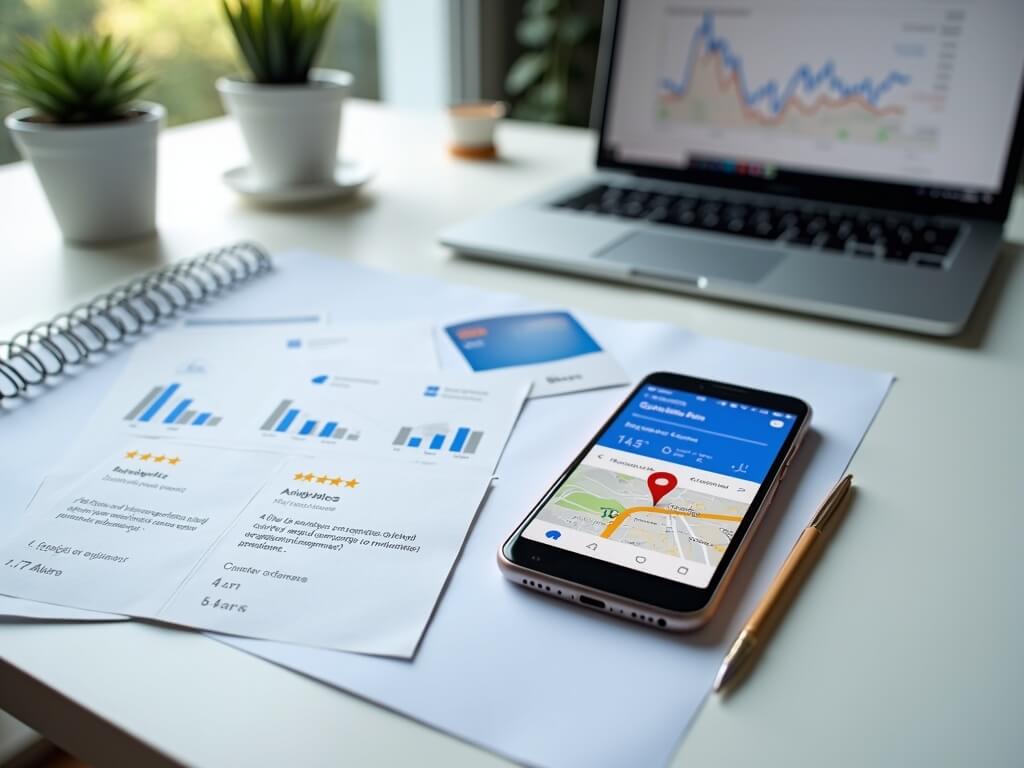
Local SEO Trends in 2026: How to Dominate Local Search with AEO and Zero-Click Discovery
Local SEO in 2026 has shifted dramatically toward AI-driven, zero-click search, where traditional tactics no longer guarantee visibility—success now hinges on optimizing your Google Business Profile, implementing structured data, building hyper-local authority, and becoming the definitive answer AI assistants choose. To stay competitive, local businesses must blend AEO (Answer Engine Optimization), visual search strategies, and paid-organic efforts to stay present, relevant, and machine-readable in this new era of proximity-first search.
Let me hit you with a brutal truth up front: Local SEO in 2026 is not the same game it was in 2020 or even 2023. If you’re a local business trying to stay visible, your biggest competitor isn’t just the shop down the street—it’s the algorithm behind the AI assistant your customer speaks to while brushing their teeth.
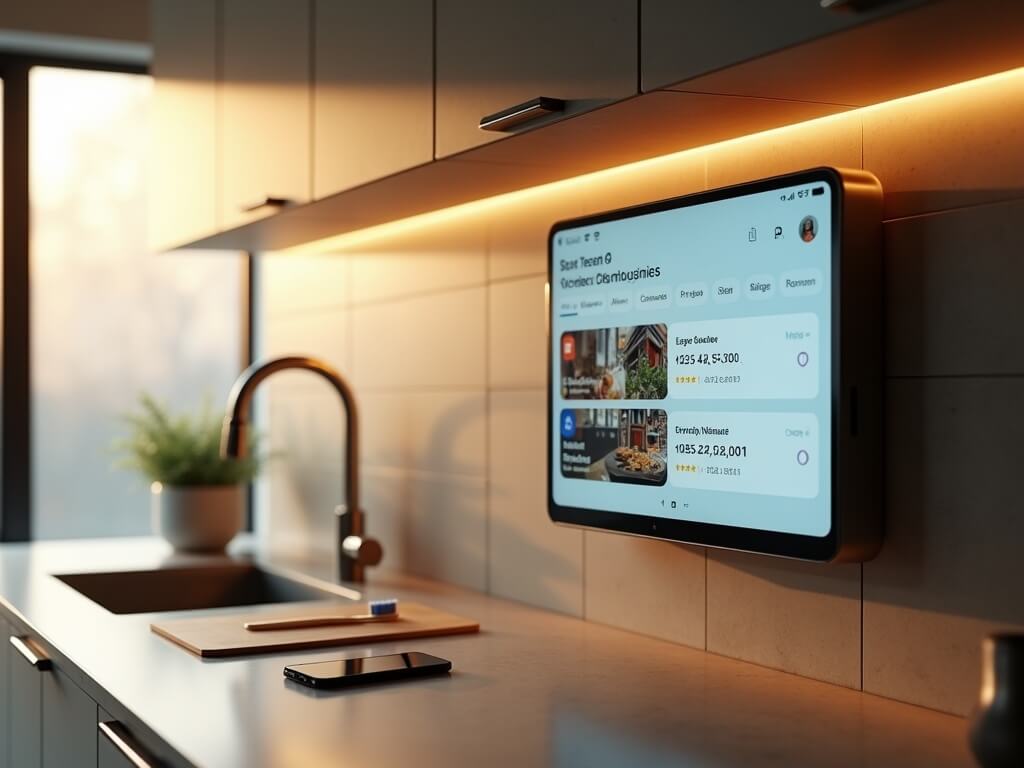
Here’s the kicker: 63% of local searchers now get what they need without ever clicking a website. Zero-click search isn’t coming. It’s here.
So let’s break down what’s actually happening—and more importantly, how you can dominate local search before your traffic slowly vanishes behind AI summaries, anonymous reviews, and pay-to-play maps.
The Search Game Has Changed Forever
I remember helping a local HVAC company just a few months ago. They’d killed it with blog content for years. But suddenly, traffic dipped. Leads vanished. No site issues. Rankings still looked decent. What happened?
Google started answering their customers’ questions directly in the search results—no need to visit the site. Their once high-converting articles were now moot. Everything the user needed was pulled into an AI-generated overview.
Let me break down what we’re seeing in the wild:
- Agentic AI assistants (like Google’s Gemini or Apple’s Siri 2.0) now handle tasks like booking, checking hours, and reading reviews—all without visiting a site
- Voice and “near me” searches on mobile are matched by proximity and real-time data scraped directly from your Google Business Profile (GBPs are now your digital storefront)
- Paid local ads are crowding out organic listings. Organic isn't dead—but it’s losing ground. Fast.
And this shift isn’t slowing down.
The Three Local SEO Factors That Still Matter: Relevance, Proximity, Prominence
Yes, AI crawlers and zero-click play a huge role in 2026, but Google’s backbone still depends on three timeless foundations:
- Relevance: How well your business matches the query (think: targeted keywords, niche-specific services)
- Proximity: How close your business is to the searcher’s location
- Prominence: Your online reputation—reviews, mentions, and authority across channels
These aren’t optional anymore. They’re the bare minimum.
Quick takeaway: Google wants to serve local users results that are accurate, well-reviewed, and right around the corner—and do it instantly.
So how do you get in front of that?
Answer Engine Optimization (AEO) Is the New SEO
If you’re still optimizing your site like it’s 2016—blogs, link building, keyword stuffing—you’re flying blind.
Let me introduce you to your new secret weapon: Answer Engine Optimization, or AEO.
What is AEO, exactly?
AEO is all about optimizing your business for machine-readable answers, not human eyeballs.
Instead of ranking for blue links, your goal is to be the answer—fed directly to an AI, chatbot, or voice assistant.
Here’s what that means in practice:
- Structured data is everything. Schema.org markup tells bots what they need without crawling your whole site
- Feed the machine live data—business hours, pricing, product availability—using schema, not blog paragraphs
- Focus on entities, not just keywords. AI connects data through relationships between people, places, topics
If AI can’t easily understand who you are, where you operate, or what services you provide, it won’t recommend you. Period.
Key AEO Moves for Real-World Impact
Want to be the local answer these bots pick every time? Start here:
- Use Schema Markup for everything: business hours, location, reviews, services, menu items—don’t leave it out
- Plug LLM blind spots: Avoid vague code and missing data fields that leave AI “guessing” your context
- Build hyper-local entity authority: Mention nearby landmarks, neighborhoods, local events—show you’re rooted in the area
Trust me, this stuff works. For a client in Atlanta, we added schema for their weekend pop-up hours during festivals. The AI assistant on Google Maps started showing them above other competing vendors. No paid ads. Just structured relevance.
Core Trend Shift #1: Agentic Search and Conversational SEO
The biggest SEO power shift in 2026?
Users don’t ask Google anymore.
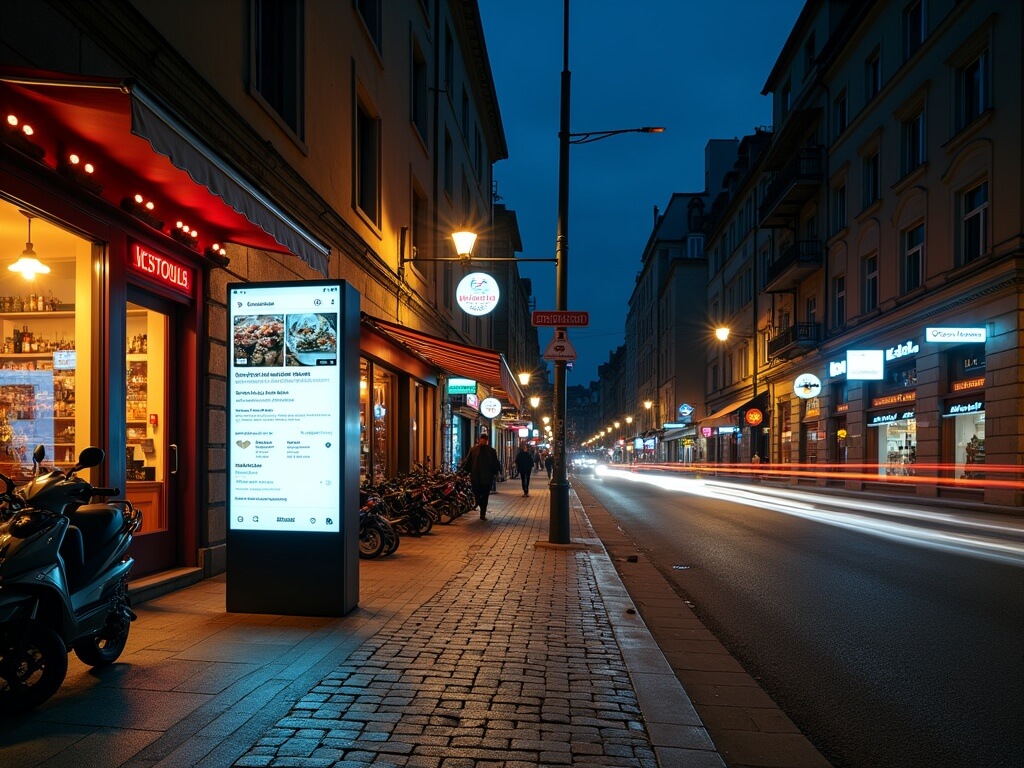
They ask their device. “Find a dentist that’s open Sunday and can book me an appointment near Peachtree Road.”
That voice is heard by an AI assistant—not a search engine. And unless you’ve optimized for that format, you’ll be filtered out.
What you need to get right:
- Mobile-first is non-negotiable: If your site doesn’t load cleanly or voices can’t parse key info aloud, it’s game over
- Tweak for voice search: Target long-tail queries like “best Thai food open late in [neighborhood]” rather than just “Thai restaurant”
- Use actions instead of keywords: Searches include “book,” “check hours,” “reserve,” “schedule,” which AI agents prioritize
Key takeaway: Think like an AI helper. What info does this bot need to instantly decide that your business can meet the need? Give it that.
Core Trend Shift #2: Zero-Click Discovery and Google as Your Homepage
Let me guess—you’ve put tons of energy into your website. Cool. But here’s the hard truth:
Your Google Business Profile is more important than your homepage.
Why?
Because now, users get all the info they need—hours, services, reviews, menus, photos—directly in the search preview.
If your GBP isn’t up to date, Google sees you as dormant.
How to treat your GBP like your second homepage:
- Add at least one new photo every week: Events, team, product shots, behind-the-scenes—it all builds trust
- Post updates regularly: Sales, seasonals, community events—even if you’re not running campaigns, show something’s happening
- Respond to every review fast: AI notices engagement and responsiveness when ranking GBPs
Quick note here from the trenches: I’ve helped businesses 3x their local visibility just by posting three updates per week on their GBP—zero technical changes needed. This isn't guesswork anymore.
Let’s keep going—because the next shift will sting if you don’t catch it early…
Need Help Navigating These Changes?
👉 Get a Free Online Analysis of your current local SEO performance: https://www.ridemarketinggroup.com/online-analysis
👉 Ready to implement AEO, schema, and dominate local? Explore Our Local SEO Services: https://www.ridemarketinggroup.com/services
Why Local Authority Eats City-Level SEO for Breakfast
Forget just showing up in “Atlanta.” That’s table stakes now.
If you’re not already targeting specific streets, landmarks, and micro-communities, you’re invisible to the AI.
Hyper-local authority is how you now beat national brands in your ZIP code.
I once helped a boutique fitness studio in Chicago who couldn’t crack the top 10 in city-wide results. But once we refocused their content strategy on Wicker Park-area classes, mentioned local cafes, gyms, and community events—and added schema markup tying them to that area?
Suddenly the AI assistants weren’t treating them as a generic listing—they were “the yoga studio by Big Star Tacos.”
Here's how to do it:
- Create neighborhood-specific landing pages for each service area (include parks, venues, streets)
- Mention community highlights in metadata, schema, and on-page content
- Use photos geotagged to local spots—AI loves these visual proximity signals
- List on regional directories, chambers of commerce, and neighborhood business associations for entity validation
Most businesses target the city.
You should own the block.
Key takeaway: The tighter your local footprint, the higher your prominence and relevance in agentic and AI-driven local search: https://www.sterlingsky.ca/the-state-of-local-seo-in-2026/
Visual Search Is Stealing Clicks—Quietly
You don’t need a study to tell you people don’t read anymore—they screenshot, scan, or ask Google Lens what something is.
And guess what AI results prioritize?
Images and videos with:
- Descriptive, accurate alt text
- Contextual filenames (not "img_0959.jpg")
- Embedded location metadata
- Short, captioned videos that answer specific local questions
Google Lens isn’t just for product lookups anymore.
That tourist snapping your food truck with Lens? Could be the first step to your business showing up in their AI itinerary.
Insider tip: I’ve seen image searches become a top 5 traffic source when optimized visuals are geotagged and named properly.
You don’t need a Hollywood setup.
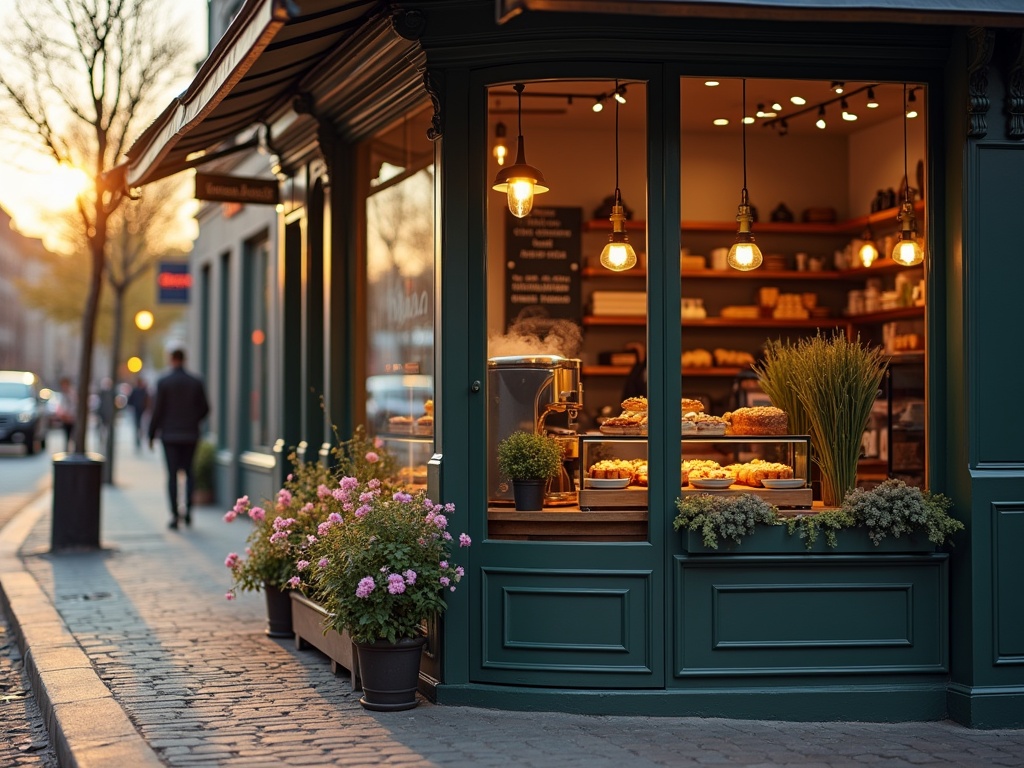
You need photos of your shop, team, menu items, and even parking options—optimized for bots and humans alike.
Every Image Is a SERP Entry Now
You want to dominate local search?
Dominate visual cues.
From profile photos to GBP cover images, YouTube Shorts to UGC, optimize it all like it’s a landing page—because for AI, it sort of is.
Your Reputation Is Now Anonymous and Permanently Visible
Remember when you could reach out to a customer who left a bad review, resolve the issue, and maybe get them to revise it?
That window’s shrinking fast.
Google’s increased push toward anonymous reviews makes feedback both more frequent and less fixable.
And when AI assistants summarize your reviews in a sentence—it's rarely nuanced.
You’re either the “fast, friendly plumber with great weekend service” or the “rude auto shop with surprise charges.”
And no, Google won’t wait for your side of the story.
So what’s your move?
- Respond to 100% of reviews. Each response is a signal of engagement.
- Encourage high-frequency, recent reviews. These weigh more in AI summaries.
- Flag review fraud early. Pattern recognition matters.
- Use pulse surveys and SMS follow-ups to pre-screen for negative experiences before they reach Google.
I helped a dental office recover from a nasty dip when a competitor left a batch of fake 1-stars. We flagged, responded fast, and encouraged real patients to post honest feedback.
Within two weeks, their AI assistant summary flipped from “difficult to schedule with” to “quick appointments and up-front pricing.”
Real talk: In 2026, how your business is summarized in one AI line can make or break you.
Organic Alone Isn’t Enough—But Don’t Ditch It
If you’ve been resisting paid local ads because “SEO is free,” here’s a reality check:
The top three spots are often ads now.
So even if you dominate the local pack organically, a paid competitor might be sitting above you—twice.
The play now is paid-organic hybrid.
It’s not about dumping money—you’re amplifying content that's already working: https://www.searchenginejournal.com/partner-resources/2026-local-seo-trends-strategies-easy-wins/
Here's where to spend wisely:
- Boost your highest-value pages with Google Local Ads
- Use YouTube and Shorts to seed awareness content with hyper-local hashtags
- Run paid posts on community Facebook/Nextdoor groups where local trust rules
- Retarget visitors who interacted with your GBP but didn’t convert
AI is watching where people engage—and engagement from paid still fuels organic authority.
Your goal isn’t visibility or clicks.
It’s presence. Being unmissable across platforms in a proximity-focused world.
Measurement Is the New Superpower
You can’t optimize what you don’t track.
And in 2026, that means getting deeper than just ranking reports.
Here’s what you should be watching weekly:
- AI Assistant Impressions (via tools like Local Falcon or SGE visibility trackers)
- GBP Call/Direction Clicks, not just views
- Zero-click queries your business is appearing for
- New customer review language—what are AI digesters picking up thematically?
Still reporting “site traffic” as your main KPI?
That’s outdated.
Start reporting things AI sees, because that’s what your future customers are seeing too.
If you're not adjusting based on what voice assistants or AI overviews say about you, you're flying blind.
Tools like NearMedia, LocalU, and Places Scout can offer more visibility into where your brand lives now—inside AI, not just organic.
Final Thought: This Game Rewards Street-Level Hustle
You want to future-proof your local presence?
Lean into what still works—location accuracy, real-time credibility, and helpful content.
But don’t bury your head in the past. Adapt to this AI-first, zero-click landscape by acting like the answer—not just another listing.
Here’s your action plan:
- Treat your Google Business Profile like your homepage
- Optimize for neighborhoods—not cities
- Use schema markup like it’s your digital storefront signage
- Encourage review language that reinforces your key services
- Embrace visual-first storytelling for “near me” decisions
- Blend paid and organic to stay visible where it counts
- Track what matters in 2026, not 2016
Ride Marketing Group clients are already putting this blueprint into practice—and they’re winning.
Not because they have the biggest budgets.
But because they care about making AI understand them better than their competitors.
So if you’re still chasing blue links and ignoring your GBP? Consider this your sign to wake up.
Because dominating local search in 2026?
Isn’t about being found. It’s about being chosen.
Start with your Business Profile: https://www.ridemarketinggroup.com/book-a-call, feed the bots smart data, and own your zip code like it’s your empire.
The future belongs not to who ranks—but to who gets read by the machine.
So gear up.
The real game is Local SEO Trends in 2026: https://www.searchenginejournal.com/partner-resources/2026-local-seo-trends-strategies-easy-wins/
%402x.svg)